

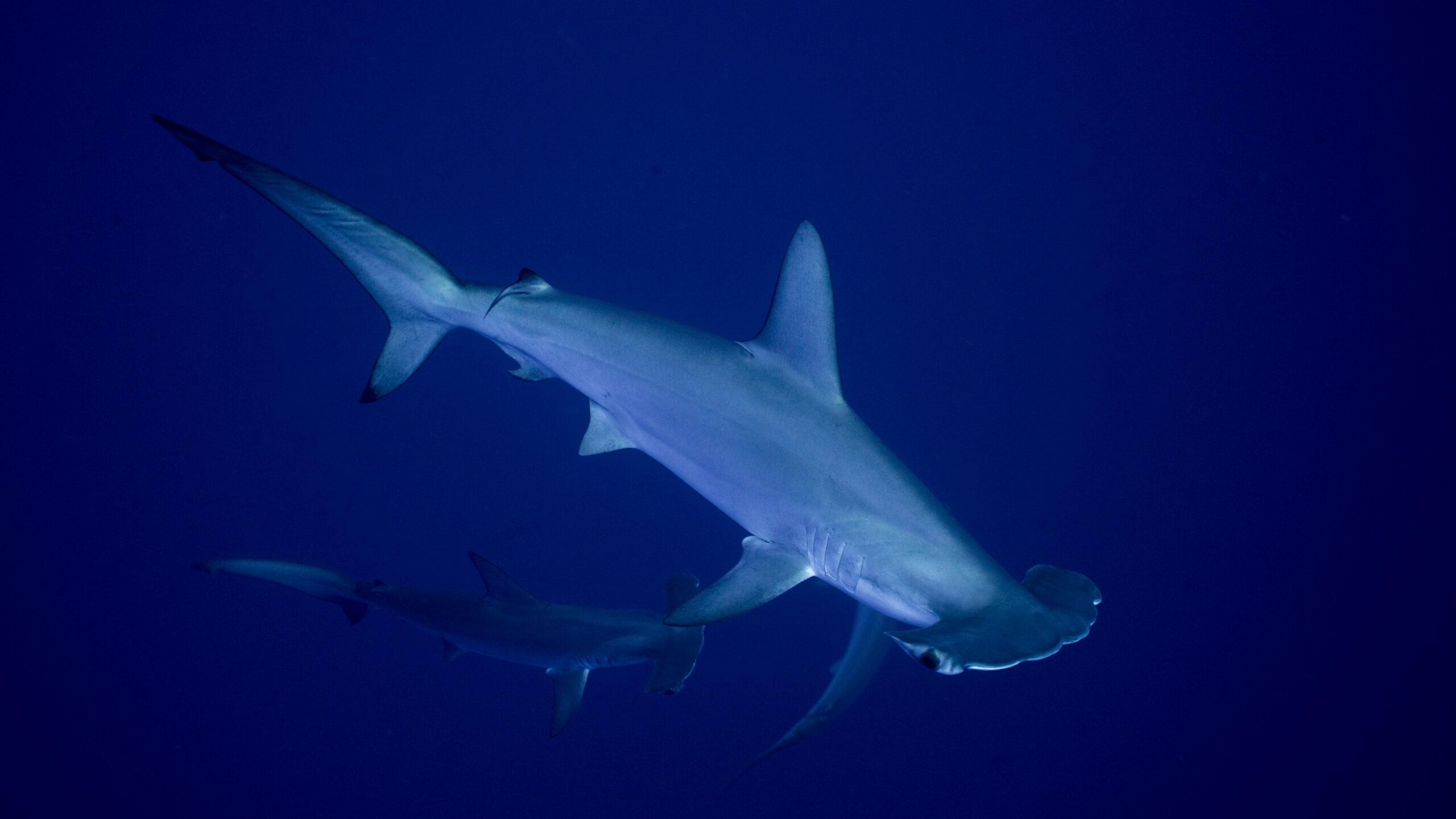

But until last week, there were no international controls in place to regulate trade in these species despite growing demand for their livers.
That has now changed through the latest decisions adopted at CITES, which Warwick said mark a turning point in marine conservation.
For much of its 50-year history, the convention focused on protecting iconic land species like elephants, rhinos, primates, and parrots, or charismatic marine species like sea turtles, Warwick said. By 1981, CITES had imposed an international ban on all international trade of sea turtles, which Warwick credited for helping some species make remarkable comebacks in the last few decades. Only in the last 10 years, Warwick said, has the convention slowly begun recognizing sharks and rays with similar urgency.
This year at COP20, all proposed protections for sharks and rays were adopted, largely with unanimous support from CITES’ 185 member countries and the European Union, which Warwick said had never happened before.
The European Union is one of the top suppliers of shark meat to Southeast and East Asian markets, with its imports and exports adding up to more than 20 percent of global shark meat trade, according to the World Wildlife Fund.
Gulper sharks, targeted for their livers, as well as smoothhound and tope sharks, which are primarily fished for their meat, were listed under CITES’ Appendix II. Each listing covers multiple species—20 species of gulper sharks and 30 species of smoothhounds—grouped together because their products cannot be reliably distinguished in trade.
The listing requires all CITES parties to strictly regulate international trade of the species and demonstrate if it is traceable and biologically sustainable. Some species, including wedgefish and giant guitarfish—large shark-like rays targeted for their highly valuable fins—are now protected by a temporary suspension of trade.
Others, such as oceanic whitetips, whale sharks, manta, and devil rays, can no longer be traded internationally at all. Under the new protections, CITES now lists them as Appendix I species, meaning they face a real extinction risk due to trade and are afforded the treaty’s highest level of protection.













Leave a Reply