

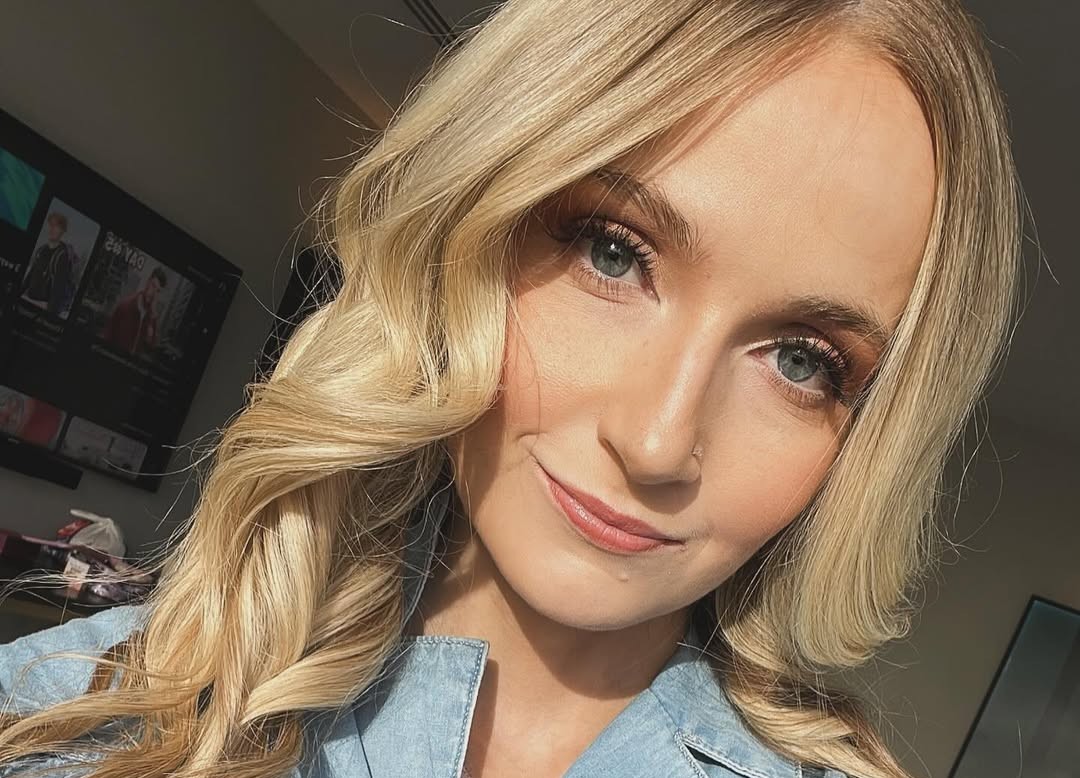
For 25-year-old Annaliese Holland, the simple act of digesting food or regulating her heart rate is a biological impossibility. Diagnosed with a rare disorder where the body attacks its own autonomic nervous system, she has spent her entire youth tethered to IVs and surviving life-threatening infections. Now, after years of existing on what she describes as a “field of landmines,” she is making headlines for a decision that challenges our traditional understanding of hope and healing. Her story forces a difficult conversation about the limits of medical endurance and the complex ethics of choosing quality of life over survival.
The Reality of Autoimmune Autonomic Failure
Imagine your body’s automatic control center shutting down. This is the reality for 25-year-old Annaliese Holland, whose battle with Autoimmune Autonomic Ganglionopathy (AAG) recently made headlines after she was approved for voluntary assisted dying in Australia. AAG is a rare, acquired immune disorder where the body attacks its own autonomic ganglia. These nerve clusters are responsible for regulating involuntary functions we rarely think about, such as heart rate, blood pressure, digestion, and bladder control.
For Annaliese, the disease manifested primarily as severe gastrointestinal failure. Her nerves could no longer signal her digestive tract to move, forcing her to rely on Total Parenteral Nutrition (TPN)—feeding through an IV—for over a decade. While TPN kept her alive, it introduced life-threatening risks; Annaliese survived sepsis, a dangerous blood infection, 25 times.
The treatment required to manage such an aggressive condition often causes collateral damage. High-dose steroids and other medications led Annaliese to develop severe osteoporosis, resulting in fractures to her spine and sternum, as well as necrosis (tissue death) in her jaw. Her case illustrates the brutal nature of AAG: it is not just a localized issue, but a systemic failure that can lead to multi-organ collapse and chronic, unmanageable pain.
Taking Control of the End
The mental toll of chronic illness often rivals the physical pain. For Annaliese, years of hospitalization meant missing standard milestones like graduations and significant birthdays. While her peers moved forward with marriages and careers, she described her existence as being “stuck,” noting that she was merely surviving rather than living. She compared her daily reality to “walking on a field of landmines,” where every day was a monotonous cycle of medical management, painkillers, and exhaustion.
This eroded quality of life drove her decision to pursue Voluntary Assisted Dying (VAD). In Australia, this legal option allows terminally ill, mentally competent adults to self-administer medication to end their lives. It differs from euthanasia, as the patient retains active control over the process.
The choice was not made lightly, nor was it immediately accepted by her loved ones. Her father, Patrick, initially struggled with the idea, asking if she was “giving up.” The turning point came after a traumatic resuscitation attempt, where Annaliese pleaded with him to let her go. “I will not hate you if you let me go,” she told him. This raw conversation helped her family understand that VAD wasn’t about quitting; it was about reclaiming autonomy. Annaliese now refers to the approval as her “safety blanket,” providing relief from the anxiety of future suffering, such as starvation or recurring sepsis.
A Safe Space for Unsent Letters
@annalieseholland LILY Thai and I both suffer the same rare disease that has left us terminal. 2 years ago I came out about my illness after being embarrassed for almost 10 years by it. I walked a charity run for palliative care and the hospice I attended. A beautiful young girl messaged me. I ignored it because I couldn’t see much about her and you have to be careful with some chronic illness people. But when she mentioned she was in the same hospice and had the same disease I knew you wouldn’t lie about that. I visited her the following day and brought her blankets, pillows and things to make her feel nice. I very well know what it’s like to lie in that bed. I spent everyday visiting her for 3 weeks. It was like we knew each other for years. We talked and talked and talked. I would spend the days brushing her hair, massaging her hands and legs. It was the least I could do. From the moment we met she told me she was going to take the reins and she had enough. She was the youngest VAD patient. The day she told me I pinky promised her I wouldn’t leave her side and I would do anything she wanted. She wanted to tell her story so we made that happen. She also asked her parents if I could hold her hand throughout the process. What a honour it was. You were only allowed 6 people in the room ( which is wrong.) we all wrapped arms and her family became mine in that moment. I didn’t brake that pinky promise, I held her hand as she drifted to heaven pain free. I wish I knew her longer and I replied to her message a month prior. We also pinky promised that I wouldn’t stop fighting til there was a cure for our disease. So that’s what I shall do. It’s taken me a long time to listen to this. My mum took the video so I would never forget her voice. I also want her memory to live on and so the world knows her debilitating this illness is at only 23 at the time. #vad #euthanasia #terminal #terminalillness #chronicillness #intestinalfailure #autoimmunedisease #love #friends #heaven #fyp #viral #awarness #cancer #aag #hospice #palliativecare #life #foryoupage #foryou #fypp #bestfriend #rip #peace ♬ original sound – welcome
Facing her own mortality, Annaliese channeled her remaining energy into helping others navigate grief. Two years prior, she lost her best friend to a terminal illness and found comfort in visiting her grave to talk and write letters. However, a chance moment—watching a loose note blow away in the wind at the cemetery—sparked a realization. She saw a need for a secure place where mourners could leave messages for those they had lost, ensuring their words weren’t lost to the elements.
Inspired by a similar concept in the UK, Annaliese worked with Centennial Park management in Adelaide to establish “Echoes of Love.” This dedicated letterbox allows visitors to post personal, confidential letters to their departed loved ones. Her goal is to shift the perception of cemeteries from scary, solemn places to tranquil spaces for reflection and connection.
@annalieseholland I dont know where to start… Lily your presence on this earth was truly special. I cant beleive its already been a year and half since i held your hand as you took your last breath. Ive never felt so broken from our diasese and knowing the onlt person that hnderstand isnt here sucks. I torally understnd why you chose to go. This illness takes away all our control and leaves us with debilitating pain. We made a pinky promise that i woukd continue to fight and scream as loud as j can untill theres a cure and earlier diagnosing. Love you beautiful girl💕💕💕 forever and always💕💕#fypp #terminalillness #viral #chronicillness #foryoupage #emotional #grief#love #autoimmunedisease #trendingvideo #angel #sad ♬ The Night We Met – Lord Huron
For Annaliese, this project is about breaking the silence that often surrounds death. “Living with a terminal illness has helped me confront the realities of death,” she stated. By creating a physical space for grief, she hopes to destigmatize conversations about dying and provide the same “emotional catharsis” she found in communicating with her late friend. It serves as a tangible legacy, proving that even in the final stages of a debilitating illness, it is possible to create meaningful change for the community.
Taking Charge of Your Medical Journey

While Annaliese’s case is extreme, her journey highlights critical gaps in how we often approach our own healthcare. Here are three practical ways to advocate for your health effectively.
- Document, don’t just describe: Annaliese spent years undiagnosed because her symptoms were complex and invisible. If you are struggling with an unresolved health issue, data is your best tool. Doctors rely on concrete evidence to make diagnoses. Instead of vague statements like “I feel sick often,” keep a detailed written log of dates, times, triggers, and severity levels. Presenting a clear timeline helps providers spot patterns that standard tests might miss.
- Have the “What If” conversations now: You do not need a terminal diagnosis to discuss your medical boundaries. In an emergency, such as a car accident or sudden stroke, family members are often forced to guess what their loved one would want. Take the burden off them by having these conversations while you are healthy. Designate a medical decision-maker and clearly state your preferences regarding life support and quality of life. As Annaliese showed, clarity brings peace to both the patient and the family.
- Don’t “Tough Out” mental distress: Annaliese’s initiative, “Echoes of Love,” underlines a biological reality: suppressing grief and stress harms the body. Research consistently shows that unprocessed emotional pain contributes to physical inflammation and chronic stress. Find a physical outlet for your emotions, whether it is writing, therapy, or community support groups, rather than internalizing them.
Redefining Courage and Control
Annaliese’s story challenges the traditional definition of bravery. Society often equates courage with fighting a disease at all costs, but her experience suggests that recognizing one’s limits is equally heroic. As she noted, choosing voluntary assisted dying is “not giving up” but acknowledging that she has “fought bloody hard” and is ready for peace.
For patients with terminal conditions, medical aid in dying serves as a “safety blanket.” It transforms the end of life from a frightening, uncontrollable event into a managed transition. This option provides a sense of autonomy that disease often strips away. It allows patients to say goodbye on their own terms rather than enduring the trauma of slow organ failure or sepsis.
The ultimate takeaway from Annaliese’s journey is the urgent need to destigmatize conversations around death. Whether it is through legislative support for assisted dying laws or simply talking openly with family about end-of-life wishes, we must normalize these difficult discussions. Death is inevitable, but suffering does not have to be. respecting a patient’s choice to end their pain is the highest form of compassion we can offer.












Leave a Reply